Food Court & Food Street Development: A Strategic Approach
Planning food concepts, vendor arrangements, customer movement, and operating systems for multi-vendor destinations.
 ARTICLE 03
Introduction
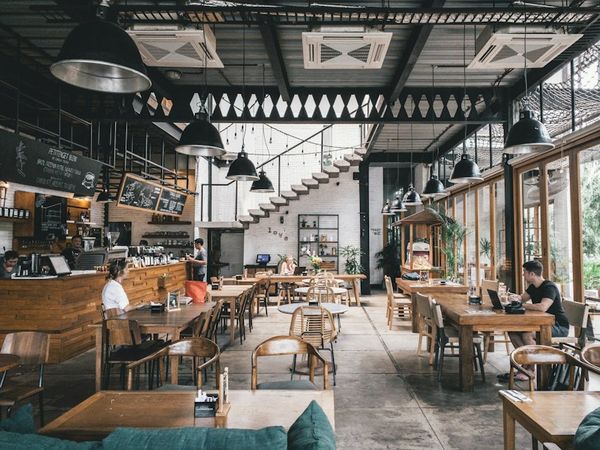
Food courts and food streets bring multiple food businesses together in one destination. Their success depends on more than the number of stalls or the variety of cuisines. Layout, vendor coordination, customer convenience, hygiene, and operational management must work together.
A structured development strategy helps investors and operators evaluate these requirements before launching a project.
6 Strategic Pillars for Food Destination Success
Determine the intended audience, food categories, pricing levels, atmosphere, and overall identity. The concept should reflect location footfall, expected demand, competition, and available capital.
Select suitable food categories and evaluate potential vendors according to product quality, operational capability, pricing, and brand compatibility. A balanced mix prevents menu saturation.
Plan stall placement, shared dining seating, pedestrian circulation, service queues, trash collection stations, delivery receiving bays, and accessible routes to eliminate bottlenecks.
Assess commercial electrical load capacity, grease trap drainage, fresh water supply, hood ventilation systems, centralized waste management, storage, and fire suppression compliance.
Establish clear responsibilities for janitorial cleaning, security, facilities maintenance, vendor tenant coordination, customer complaints, and common-area standards across all food stalls.
Evaluate development fit-out capex, stall rental/revenue-share models, CAM charges, staffing overhead, utility sub-metering, and long-term return on investment.
How Sharako Consultancy Helps
Sharako Consultancy can assist clients with food court and food street concept planning, stall and vendor coordination strategies, operational planning, and preliminary cost assessment according to the agreed project scope.
Conclusion
A well-planned food destination combines a clear commercial concept with practical design, suitable vendors, effective operations, and a positive customer experience. Early planning helps stakeholders make better-informed development decisions.
Sharako Consultancy — Commercial Food Hall & Street Advisory.